
Understanding Civil Harassment Restraining Orders in California
When someone faces ongoing unwanted contact, threats, or intimidation from another person, California law provides protection through a civil harassment restraining order. These orders are designed to stop the harassment and provide relief to victims who may not fall under the category of domestic relationships but are still experiencing harmful behavior.
What Is Civil Harassment?
Civil harassment generally refers to situations involving abuse, stalking, threats of violence, or serious harassment between individuals who are not in close family or intimate relationships. This can include neighbors, co-workers, acquaintances, or even strangers.
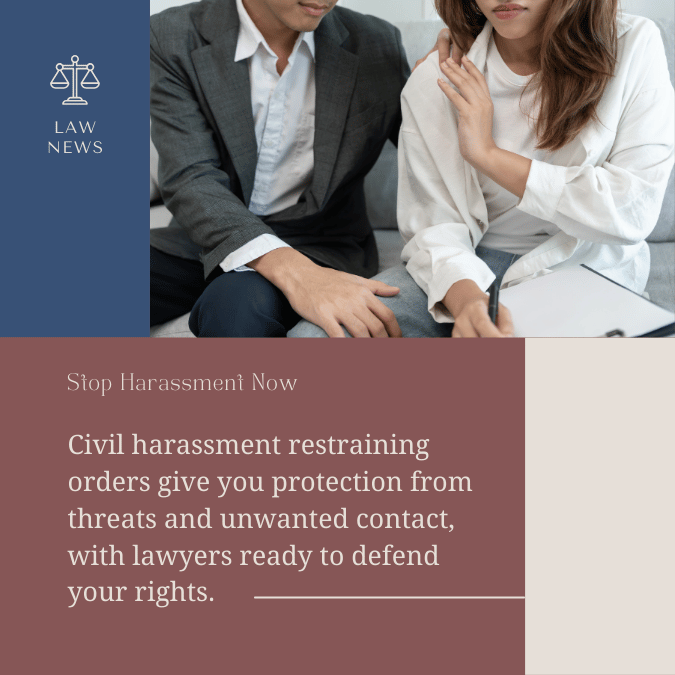
The law recognizes that harassment can create fear, disrupt lives, and cause lasting emotional and psychological harm. A civil harassment restraining order can prohibit the harasser from contacting, threatening, or coming near the protected person.
Why a Civil Harassment Restraining Order Matters
For those who have tried to ignore or avoid the behavior without success, filing for a restraining order can be an important step toward reclaiming peace of mind and personal safety. These orders are enforceable by law, and a violation can lead to arrest and criminal charges.
Working with a knowledgeable civil harassment restraining order attorney ensures that paperwork is filed correctly, deadlines are met, and your case is presented clearly in court. Judges require strong documentation and specific evidence, and an attorney can help organize this information to give you the best chance of success.
The Role of Civil Harassment Lawyers
Not every situation is straightforward. Sometimes accusations of harassment are disputed, or both sides claim to be victims. In these cases, legal representation is especially important. Experienced civil harassment lawyers understand how courts analyze evidence, testimony, and witness credibility. They also know how to respond if you are falsely accused and need to defend yourself against an unfair order.
What to Expect in the Process
- Filing the Petition – You complete the necessary court forms describing the harassment.
- Temporary Orders – The judge may issue immediate protection until the hearing date.
- Court Hearing – Both sides present evidence, and the judge decides whether to grant a longer-term restraining order.
- Enforcement – If granted, the order is legally binding, and violations can result in serious penalties.
Conclusion
Civil harassment restraining orders exist to protect people from unwanted, harmful behavior that threatens their safety or peace of mind. Whether you are seeking protection or defending against a false claim, legal guidance is essential. Attorneys who handle these cases know how to protect your rights and ensure your voice is heard in court.
For more details on California’s laws, visit the California Courts self-help resource: Civil Harassment Restraining Orders.